7 Jul 2026
Cross-Cultural Variations in Risk Evaluation Among Participants in Worldwide Online Poker Networks
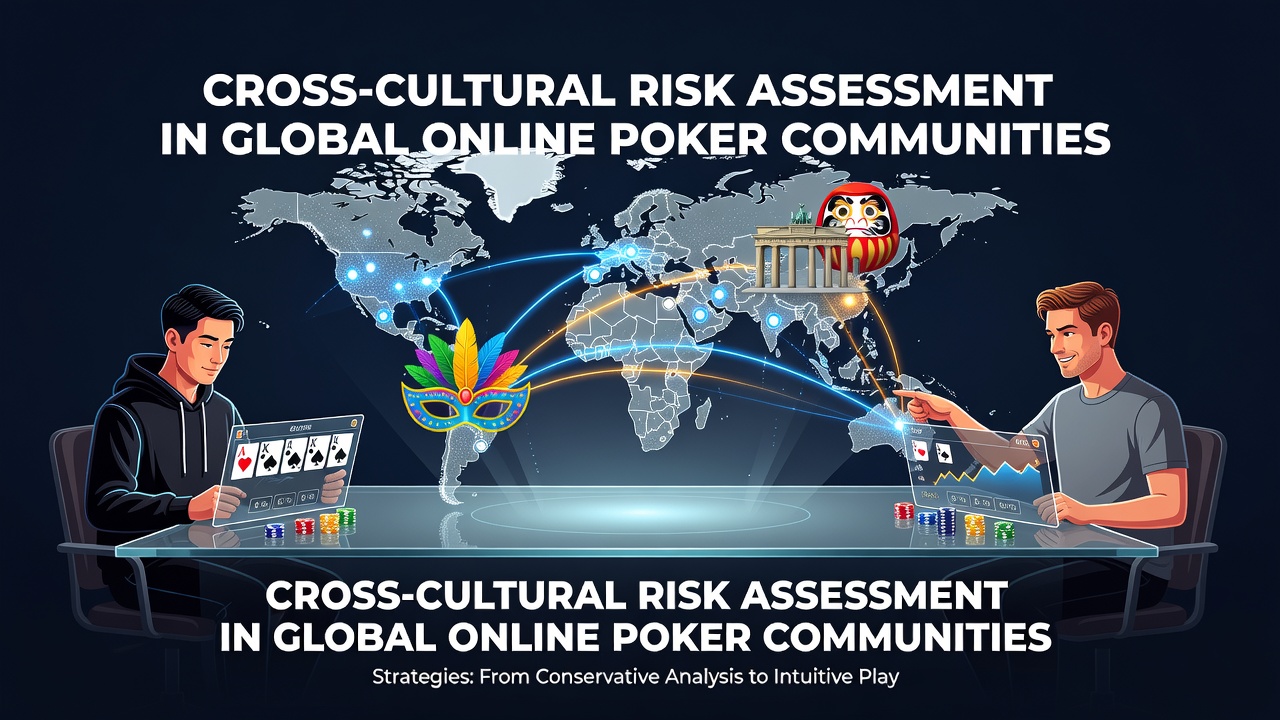
Online poker platforms continue to draw participants from dozens of countries, and data from major operators shows steady growth in cross-border traffic through mid-2026. Researchers have tracked how players from different cultural backgrounds approach risk evaluation during hand selection, bet sizing, and tournament entry decisions, with patterns emerging along lines of individualism versus collectivism, uncertainty avoidance, and long-term orientation. Studies conducted across platforms reveal that these differences influence everything from fold frequencies to bankroll allocation percentages, while regulatory shifts in several jurisdictions add new layers to player behavior tracking.
Foundational Patterns in Cultural Risk Frameworks
Observers note that participants from high uncertainty-avoidance societies tend to favor tighter pre-flop ranges and smaller continuation bet sizes when facing unknown opponents, whereas those from lower uncertainty-avoidance regions often expand their opening ranges and apply larger pressure bets earlier in hands. A 2024-2025 analysis of hand histories from several international sites found that players self-identifying with East Asian cultural backgrounds posted average aggression factors 12-18 percent lower than North American counterparts across similar stake levels, and these gaps persisted even after controlling for experience metrics. Yet data also indicates that players who migrate between cultural poker communities gradually adjust these ratios within six to nine months of regular exposure, suggesting that platform norms exert measurable influence over time.
Bankroll management strategies diverge along similar lines. Participants from societies emphasizing long-term planning maintain higher reserve multiples before moving up in stakes, while players from cultures with shorter time horizons more frequently reload after variance spikes. Platform telemetry from July 2026 shows that accounts registered in regions with strong future-orientation scores keep median reserves equal to 45 buy-ins at the current limit, compared with 28 buy-ins among accounts from regions scoring lower on the same metric.
Regional Data and Observed Behaviors
European players, particularly those based in Nordic countries, demonstrate elevated usage of multi-table tournament strategies that spread risk across many low-stakes events rather than concentrating on single high-variance tables. In contrast, Latin American participants show higher single-table engagement rates and quicker transitions to higher buy-in events once a session profit threshold is reached. These tendencies appear in aggregated session logs released by several operators and align with broader cultural dimensions documented in cross-national surveys.

Take one dataset compiled by analysts at the University of Sydney that examined over 2.3 million hands played between 2023 and 2025. Researchers discovered that players logging in from Australia and New Zealand exhibited bluff-to-value ratios closer to 2.1:1 in heads-up situations, while players connecting from Singapore and Malaysia posted ratios nearer 1.4:1 under comparable stack depths. The same study linked these differences to measured cultural preferences for direct confrontation versus harmony preservation, though individual variation remained substantial within every cohort.
Platform Features and Cultural Adaptation
Software tools such as hand-history reviewers and equity calculators receive different uptake rates across regions. North American and Australian users activate detailed post-session analysis features at roughly double the rate of users from parts of South Asia and the Middle East, according to usage logs shared in industry reports. This disparity affects how quickly players recalibrate their risk models after losing sessions. Some operators now offer region-specific default settings for session timers and loss-limit prompts, responding to observed differences in self-regulation patterns.
Regulatory environments also shape risk perception. In jurisdictions where online poker falls under gaming control boards with strict advertising rules, such as those administered by the Pennsylvania Gaming Control Board, players encounter fewer promotional reload offers and therefore adopt more conservative deposit schedules. Meanwhile, participants in markets with lighter oversight structures often receive frequent bonus structures that encourage quicker re-entry after bust-outs, altering the speed at which cultural risk preferences manifest in actual play volume.
Emerging Trends in July 2026
Platform traffic reports from the first half of 2026 indicate rising participation from Middle Eastern and African markets, where new payment integrations have lowered entry barriers. Early telemetry suggests these newer cohorts apply risk strategies that blend local cultural caution with rapid adoption of Western-style aggression metrics once they accumulate several hundred hands. Multi-national study groups tracking these shifts note that language-localized training materials accelerate convergence toward platform averages, while players relying solely on English-language resources retain more distinct regional signatures for longer periods.
Conclusion
Global online poker networks continue to function as natural laboratories for observing how cultural backgrounds intersect with risk assessment under conditions of incomplete information. Aggregate data from operators and academic collections demonstrate consistent, measurable differences in bet sizing, session length, and bankroll discipline that track with established cultural dimensions. As player bases expand and regulatory frameworks evolve through 2026, these patterns remain dynamic, with platform design choices and cross-cultural exposure acting as ongoing modifiers. Continued collection of anonymized behavioral data will allow researchers to refine understanding of how these strategies shift over time and across new market entrants.