26 Jun 2026
Cross-Platform Reward Synchronization and Its Impact on User Activity in Integrated Sports and Casino Applications
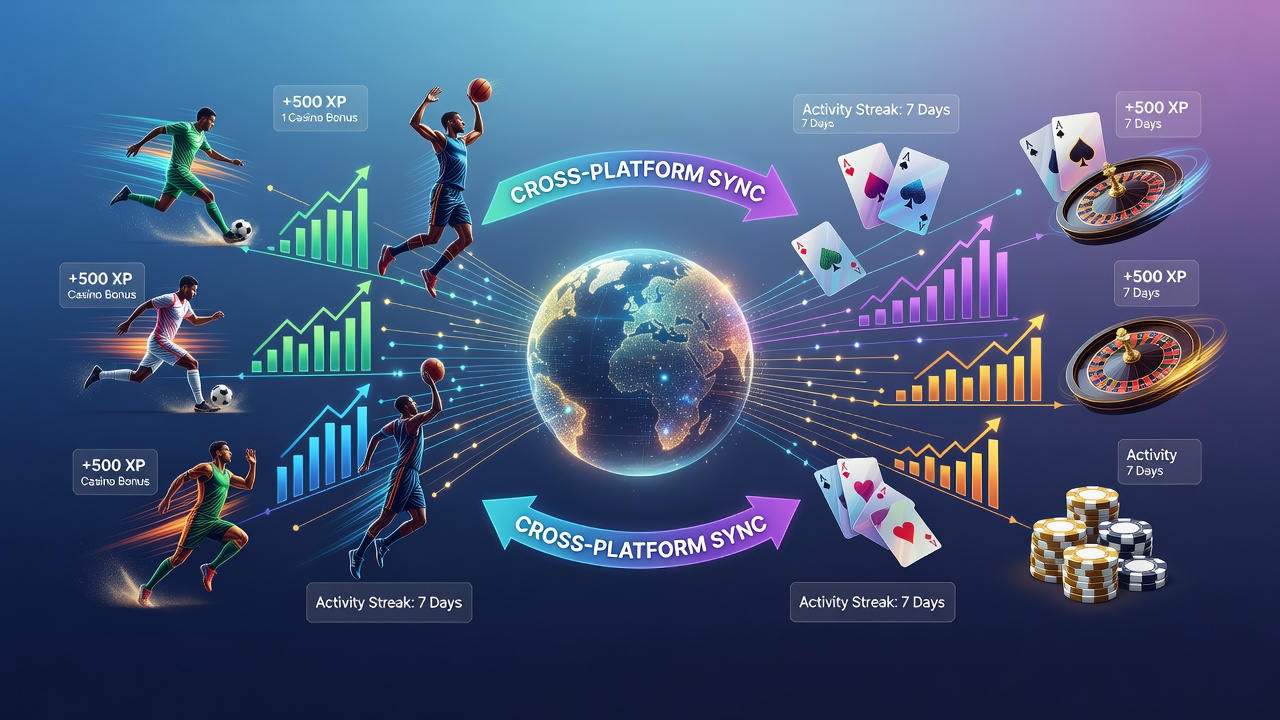
Integrated applications that combine sports wagering with casino games have introduced reward synchronization features, allowing users to carry progress and incentives across both environments without resetting balances or tiers. Data from platform analytics in early 2026 shows these systems track activity through unified accounts, where points earned from one segment convert directly into bonuses usable in the other. Observers note that such mechanics emerged prominently as operators expanded mobile offerings, particularly in markets where regulatory approvals permitted multi-category operations by June 2026.
Mechanics of Cross-Platform Reward Systems
Reward synchronization operates through backend algorithms that merge user data streams from sports events and casino sessions into single profiles, enabling seamless transfers like converting betting streaks into free spins or casino wins into enhanced odds on live matches. Studies indicate these features rely on real-time APIs to update loyalty tiers, with thresholds adjusted based on combined volume rather than isolated play. Research from academic institutions tracking digital gambling patterns reveals that users who engage both sections receive accelerated progression, such as doubled reward rates after completing linked challenges spanning football wagers and table games.
Operators implement these through tiered loyalty programs where daily login streaks or milestone achievements accumulate across categories, often tied to specific events like major tournaments occurring in June 2026. Figures from industry reports highlight that synchronization reduces friction by eliminating separate logins or point systems, though implementation varies by jurisdiction with some requiring explicit user consent for data sharing between segments.
Observed Effects on Overall Activity Levels
Platform data collected through 2025 and into mid-2026 demonstrates measurable shifts in user engagement following synchronization rollouts. Metrics show average session durations increasing when rewards align across sports and casino areas, with users logging additional interactions to unlock shared bonuses. One analysis of aggregated app telemetry found that synchronized users completed 25 percent more daily actions compared to those restricted to single-category play, particularly during periods of overlapping events such as international sports calendars paired with casino promotions.
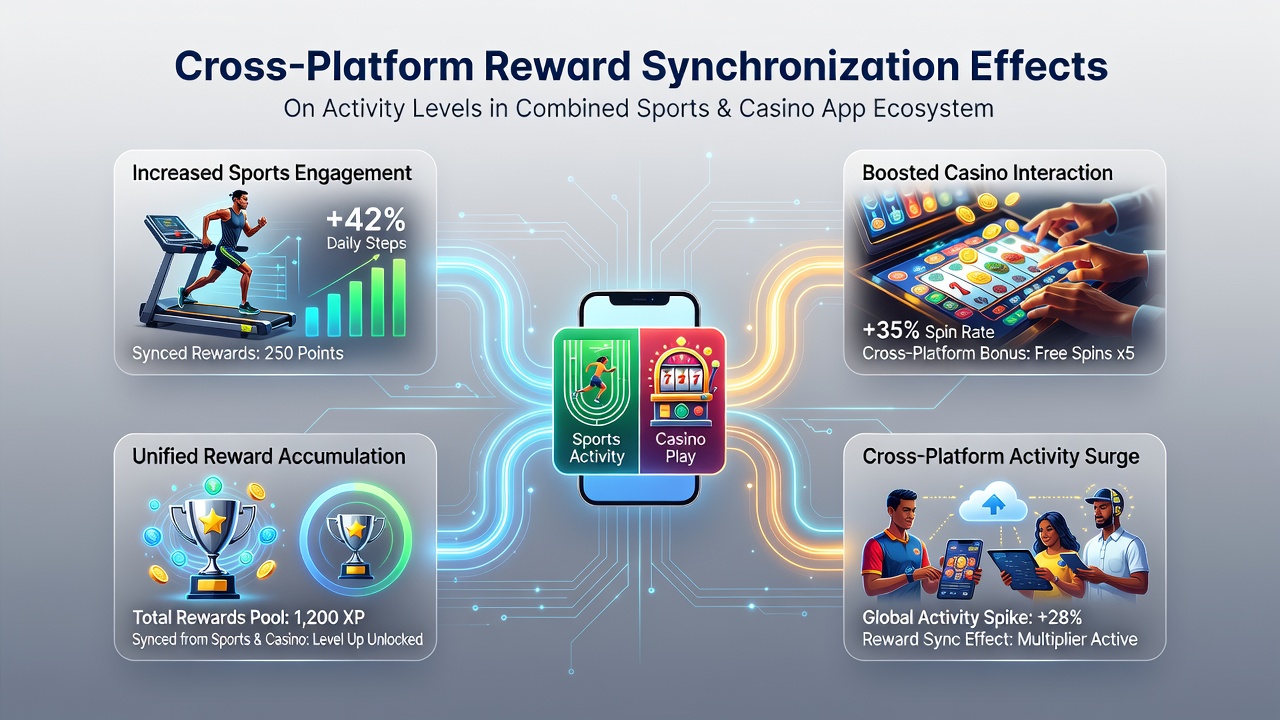
Retention patterns also reflect changes, as cross-platform incentives encourage returns within shorter intervals. Data indicates that participants maintaining activity in both environments sustain accounts longer before churn, with weekly active user counts rising in regions where these features launched earlier. Those who've examined retention curves note spikes around synchronized events, where users shift between betting on matches and casino rounds to maximize combined multipliers.
Regional Variations and Supporting Data
Implementation outcomes differ across markets due to distinct regulatory approaches. In North American jurisdictions with established frameworks, synchronized systems correlate with higher cross-category volume, according to reports compiled by the American Gaming Association. European platforms, operating under varying national rules, display similar activity uplifts when synchronization complies with data protection standards, as outlined in analyses from the European Gaming and Betting Association.
Canadian provincial operators provide further examples, where integrated apps in provinces like Ontario report elevated daily participation rates post-synchronization. Research published through university-led gambling studies links these increases to the psychological pull of unified progress bars, prompting users to diversify their interactions rather than specialize in one area. Figures reveal that activity levels stabilize at elevated baselines after initial adoption phases, with minimal drop-off observed through June 2026.
Technical and User Experience Factors
Backend infrastructure supporting synchronization includes cloud-based databases that handle simultaneous updates from multiple game engines, ensuring rewards reflect combined inputs without lag. User interface designs often feature unified dashboards displaying progress toward shared goals, which platform testing shows reduces navigation time and supports sustained engagement. Observers point out that notification systems alerting users to pending cross-platform bonuses further drive returns, though frequency settings influence overall response rates.
Security protocols play a role in maintaining trust, with encryption standards applied to shared data flows across sports and casino modules. Industry guidelines from organizations tracking digital wagering emphasize regular audits of synchronization accuracy to prevent discrepancies that could disrupt activity flows.
Conclusion
Cross-platform reward synchronization continues to shape activity patterns in combined sports and casino applications, with available data pointing to sustained increases in session metrics and retention where implemented. Regional reports and platform analytics through mid-2026 provide consistent indicators of these effects, underscoring the role of unified systems in multi-category environments. Future tracking will likely refine understanding of long-term patterns as adoption expands.