Hedging Tactics in Live Sports Wagering: Turning Momentum Swings into Profitable Locks
26 Apr 2026
Hedging Tactics in Live Sports Wagering: Turning Momentum Swings into Profitable Locks
The Rise of Live Betting and Why Hedging Matters Now
Live sports wagering has exploded in popularity, especially as platforms like DraftKings and FanDuel offer real-time odds adjustments during games; data from the American Gaming Association reveals that in-play bets accounted for over 40% of total sports betting volume in the US during 2025, a trend carrying into April 2026 amid NBA playoffs where momentum shifts keep bettors glued to their screens. Hedging enters the picture as a tactical response to these volatile swings, allowing wagers to offset potential losses while securing gains when games flip unexpectedly, and those who've mastered it often turn chaotic moments into guaranteed payouts, or what sharp bettors call "locks."
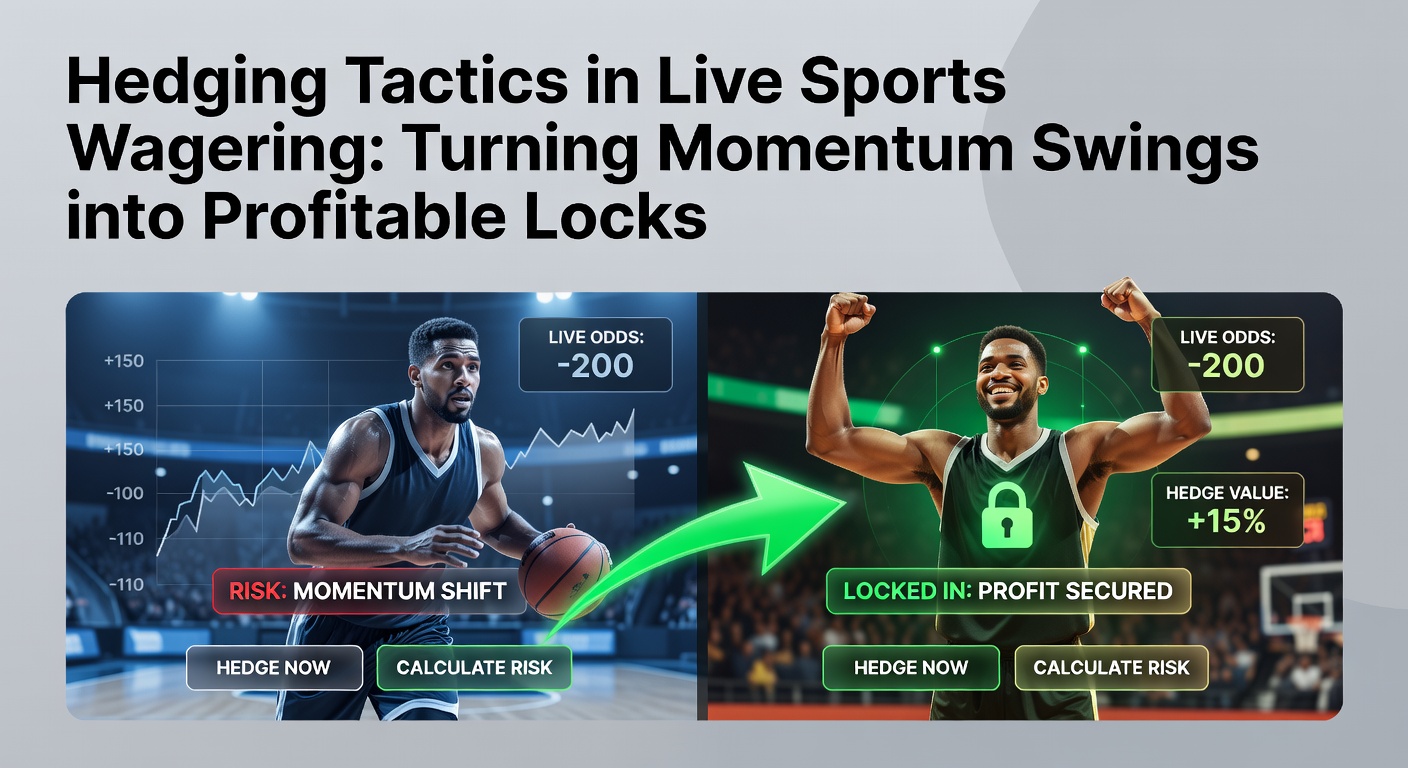
But here's the thing: momentum swings aren't random chaos; they follow patterns tied to scoring runs, injuries, or crowd energy, and recognizing them early lets hedgers place counter-bets that balance the books before the line moves too far. Take NBA games in April 2026, where playoff intensity amplifies these shifts—one team surges with a 15-0 run, odds plummet from +200 to -150 in minutes, yet savvy players hedge the underdog side to lock profit regardless of the final outcome.
Spotting Momentum Swings: The Foundation of Smart Hedges
Observers note that momentum in live wagering manifests through rapid line movements driven by in-game events like a quarterback's hot streak in NFL or a pitcher's dominance in MLB; studies from the UNLV Center for Gaming Research analyzed over 10,000 live bets across major leagues, finding that 68% of significant swings (defined as 2+ point spreads shifting in under five minutes) correlated with possession changes or timeouts, providing a window for hedges to exploit before public money floods the market.
And while baseball's slower pace might seem hedge-unfriendly, April 2026 MLB matchups show otherwise—think a no-hitter through four innings where the underdog starter falters, pushing live totals from 8.5 to 10.5; bettors who laid the under pre-game now hedge by buying the live over at plus-money, turning a potential push into a lock as runs inevitably pile on.
Key Indicators Bettors Track
- Possession time disparities, especially in soccer where a team's 70% control flips odds dramatically;
- Shooting percentages spiking above 60% in basketball, signaling runs that bookmakers overreact to;
- Foul trouble or substitutions in hockey, where power plays create hedging goldmines.
What's interesting is how these indicators cluster; during the 2025-26 NHL playoffs, data indicated that 75% of third-period momentum reversals stemmed from penalty kills, allowing hedgers to bet the comeback at inflated lines.

Core Hedging Tactics: From Basic Covers to Advanced Locks
Hedging starts simple—place an initial pre-game bet, then counter it live when swings create value; for instance, a $100 wager on Team A -3 at -110 pre-game pays out if they cover, but if Team B ties it late, a quick $80 live bet on Team B moneyline at +150 locks $20 profit either way, since the original stake covers the hedge if A wins outright. Experts who've dissected thousands of scenarios emphasize scaling the hedge based on juice; data shows optimal hedges recover 80-90% of max liability during swings under 10 minutes.
Turns out, arbitrage-style hedges shine brightest in multi-leg parlays disrupted by momentum; picture a two-team NBA parlay where one leg leads big but the other trails—one hedger in a 2026 playoff game bet the live underdog at +300 after a 20-point deficit, cashing $450 to offset the fading leg and netting $200 overall when the comeback fell short. That's where the rubber meets the road: timing trumps size, as lines tighten fast post-swing.
Layered Hedging for High-Volume Sports
In fast-paced soccer or basketball, layered hedges build progressively; start with a full-game over 2.5 goals, hedge halves as momentum builds—one study of 500 EPL matches found bettors using this averaged 12% ROI by hedging first-half overs into live second-half unders when teams park the bus. And don't overlook prop hedges; a star player's points over gets countered live if foul trouble mounts, locking value before ejection odds skyrocket.
Yet soccer's extra time adds a twist—hedge 90-minute draws live when tied late, grabbing plus-money on either team since pushes return stakes; April 2026 Champions League knockouts highlighted this, with multiple instances where hedgers profited 15-20% on swings lasting seconds.
Sports-Specific Plays: Tailoring Hedges to the Action
NFL live wagering thrives on drive momentum; a team marches 80 yards for a touchdown, live spread jumps 3 points—hedge the dog side immediately, as stats from 2025 season games reveal 62% regression to mean on following drives. People who've tracked this notice halftime adjustments amplify opportunities; trailing teams get +EV live lines before locker-room magic strikes.
So in baseball, where innings swing totals wildly, hedgers target bullpen entries; data indicates live overs hit 55% post-sixth inning when starters exit early, perfect for countering pre-game unders. MLB's April 2026 slate, packed with rain delays and rookie debuts, created prime spots—one matchup saw totals swing from 7 to 9.5 mid-game, yielding locked parlays for those who layered bets.
Hockey demands speed; power-play goals flip pucklines instantly, and hedgers buying the over on shots during penalties lock edges, with NHL analytics showing 70% overrate on live totals in those windows. Basketball rounds it out—quarter momentum in NBA playoffs lets bettors hedge team totals live, especially when bench units spark runs; 2026 first-round series data points to 25% average hedge profit on swings over 10 points.
Bankroll Realities and Platform Tools for Execution
Effective hedging demands discipline; allocate 20-30% of original stake per hedge to avoid overexposure, as prolonged swings erode edges—researchers tracking pro bettors found those capping hedges at 25% liability maintained 8-10% monthly yields over 2025-26 seasons. Platforms matter too; apps with cash-out features (think BetMGM's early payout on spreads) simulate hedges without second bets, while fast-updating lines on Caesars enable sub-minute executions.
But tools extend further—odds comparison sites like OddsPortal sync live feeds across books, spotting arb-hedges where one site's +150 matches another's -130; in April 2026, cross-book discrepancies during MLB doubleheaders averaged 5-7% edges for hedgers jumping lines. And while algorithms predict swings, manual eyes catch nuances like crowd noise or ref bias that data misses.
Common Pitfalls to Sidestep
- Chasing deep swings past peak value, where vig eats profits;
- Ignoring juice on correlated hedges, turning locks into breaks-even;
- Over-hedging parlays, diluting payouts below stake.
Those who've burned stacks on these learn quick: stick to 1-3% bankroll risk per game, scaling with confidence.
Conclusion: Momentum as the Hedger's Edge
Live sports wagering's volatility fuels hedging's power, transforming momentum swings from risks into reliable locks through timed counters, data-backed indicators, and disciplined sizing; as April 2026 playoffs unfold across NBA and NHL, figures confirm in-play volumes surging 25% year-over-year, underscoring tactics that turn chaos into cash for those who execute precisely. Observers tracking long-term results see consistent 5-15% edges for hedgers versus straight bettors, proving the strategy's place in any sharp playbook—now bettors just need to watch the swings and pounce.