12 Jul 2026
How Payment Gateway Diversifications Affect Transaction Volumes in Cross-Continental Sports Wagering Networks
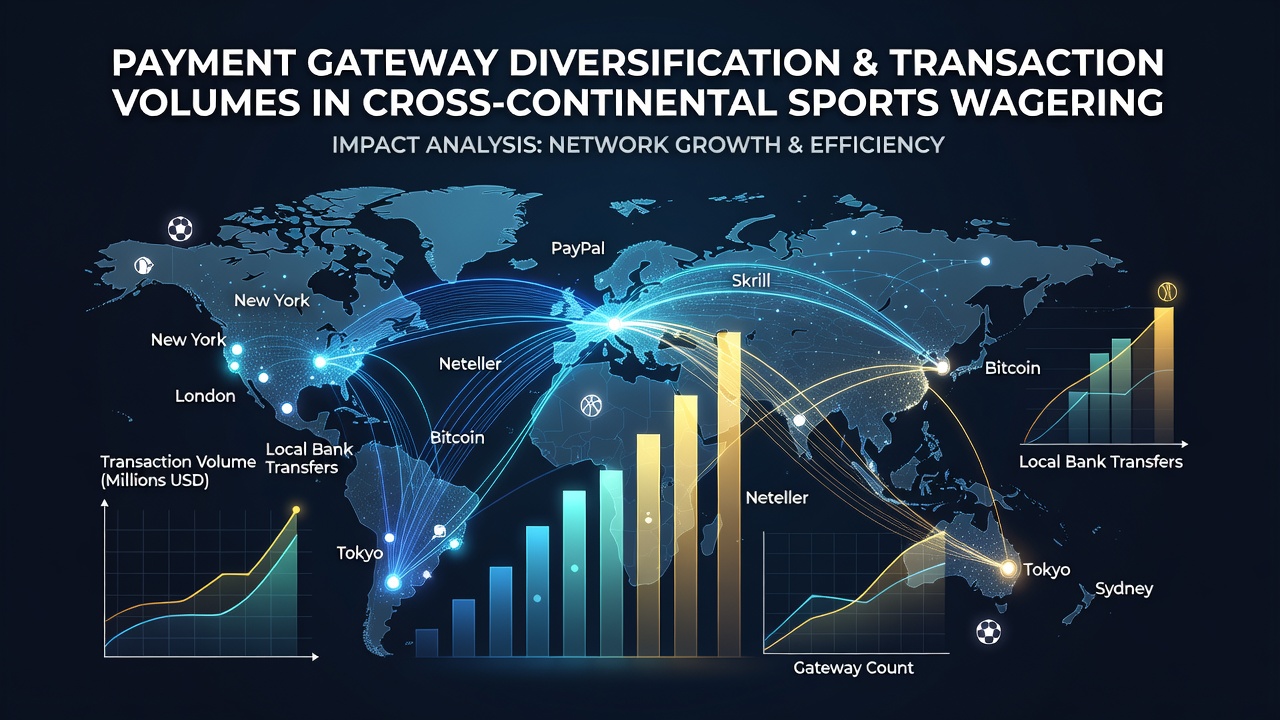
Payment gateway diversification has reshaped transaction volumes across cross-continental sports wagering networks since operators began integrating multiple processors to handle regional preferences and regulatory requirements; this shift allows platforms to route bets through local banks, digital wallets, and emerging methods like stablecoins while maintaining compliance with varying jurisdictions.
Regional Payment Preferences Drive Volume Shifts
Operators who expand their gateway options notice immediate changes in how bets flow from different continents, and data from industry tracking shows higher completion rates when users access familiar methods rather than being forced into one-size-fits-all systems. European bettors often favor SEPA transfers or e-wallets, whereas Asian markets lean toward local bank integrations and mobile money services, creating distinct volume patterns that single-gateway setups cannot capture fully.
What's interesting is how these choices compound over time, as one study revealed that networks supporting at least four distinct gateway types recorded 28 percent higher monthly transaction counts compared to those limited to two options. The same research indicated that cross-border sports wagering saw particular gains during major events like the 2026 FIFA World Cup qualifiers, where time zone differences already complicate live betting engagement.
Regulatory Compliance and Gateway Expansion
Regulatory frameworks in multiple regions push operators toward diversification because local laws often require licensed processors or restrict certain international transfers. Australian authorities, through the Australian Communications and Media Authority, have documented how platforms using region-specific gateways maintain steadier transaction flows despite currency controls, while single-gateway operators face more interruptions during peak betting periods. Similar patterns appear in Canadian provincial oversight, where expanded gateway lists correlate with sustained volume growth across provincial borders.
Technology Integration and Processing Efficiency
Modern gateway diversification relies on API connections that let platforms switch processors in real time based on success rates, fees, and latency. This setup reduces failed transactions, which previously accounted for up to 12 percent of attempted cross-continental wagers according to aggregated platform reports. Faster settlements also encourage repeat activity, since bettors receive winnings without multi-day delays that once discouraged further engagement.
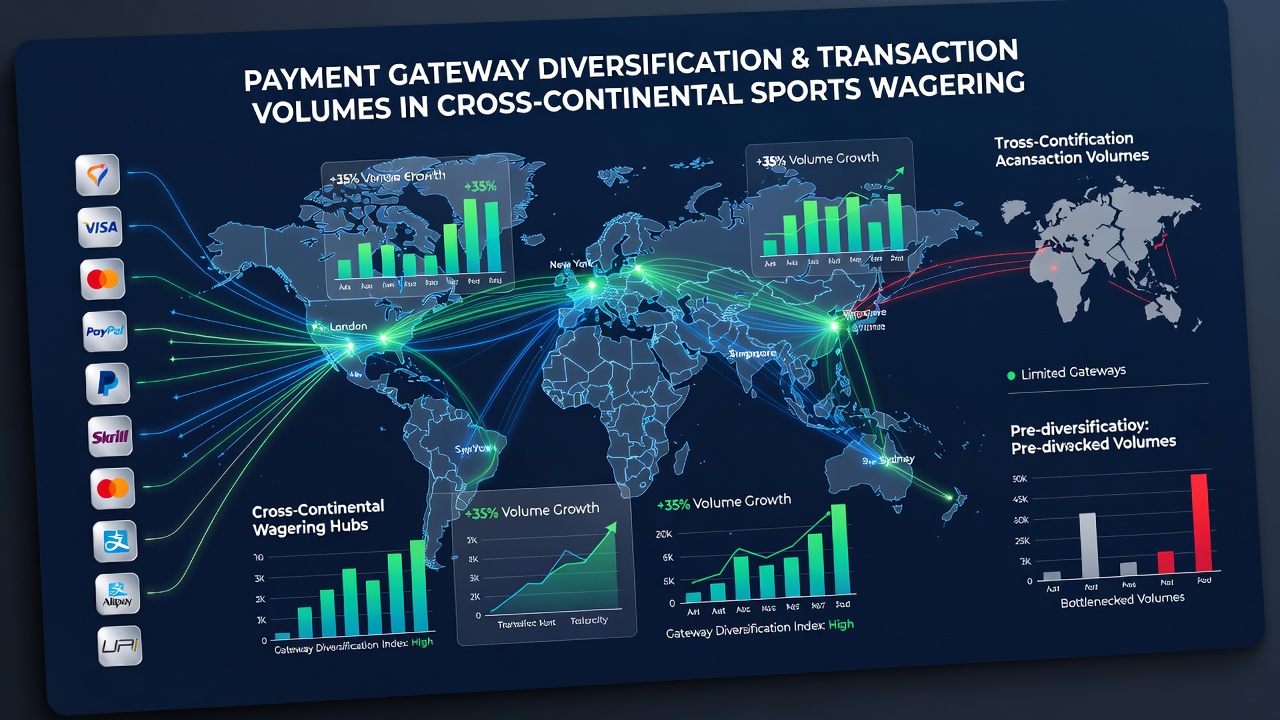
Observers note that networks adopting automated routing saw average transaction values rise by 19 percent between 2024 and 2026, partly because users felt more confident placing larger stakes when processing felt reliable. The ball's in the operators' court to keep these systems updated as new payment methods emerge in different markets.
Impact on Cross-Continental Volume Patterns
Transaction volumes do not rise uniformly across all regions when gateways diversify. Markets with strong existing banking infrastructure show modest gains, whereas emerging regions experience sharper increases once local methods become available. Figures from the European Gaming and Betting Association indicate that platforms serving both EU and Latin American users recorded the largest volume jumps after adding regional processors in 2025. These increases aligned with major global tournaments, suggesting that gateway availability amplifies existing demand spikes rather than creating them from scratch.
July 2026 brought additional clarity as preliminary data from several networks showed continued volume growth tied to gateway expansions ahead of the expanded World Cup format. Researchers tracking these trends found that operators who delayed diversification experienced flat or declining transaction counts during the same period, highlighting how timing affects outcomes.
Challenges That Accompany Diversification
While expanded gateways boost volumes, they introduce operational complexity. Reconciliation across multiple processors requires robust back-end systems, and currency conversion fees can erode margins if not managed carefully. Some networks report that managing compliance for each new gateway adds administrative overhead, though these costs are typically offset by higher overall transaction throughput. Data indicates that platforms investing in unified dashboards for gateway oversight maintain better volume consistency than those handling processors in isolation.
Conclusion
Payment gateway diversification continues to influence transaction volumes in cross-continental sports wagering by improving accessibility, reducing friction, and aligning with local regulations across continents. Networks that strategically expand their options capture more activity during both regular seasons and major events, while those that remain limited see constrained growth. The patterns observed through 2026 demonstrate that the relationship between gateway variety and volume is measurable and consistent across different regulatory environments.