21 Jul 2026
Liquidity Pool Dynamics Across Borderless Poker Networks and Effects on Strategic Bankroll Management for Frequent Participants

Borderless poker networks operate through shared liquidity systems that merge player pools from multiple jurisdictions into single tables and tournaments, and this structure produces measurable effects on game depth along with variance patterns for regular participants. Data from industry tracking services indicate that networks spanning several continents often maintain 24-hour liquidity levels exceeding those found on isolated platforms, with peak volumes occurring during overlapping time zones in July 2026. Observers note that players gain access to larger opponent fields yet encounter fluctuating rake structures tied to regional regulations, while bankroll requirements shift because deeper pools reduce certain forms of short-term variance but introduce exposure to cross-border settlement delays.
Mechanics of Shared Liquidity in Global Networks
Shared liquidity functions by routing traffic through centralized servers that combine deposits and player counts from operators licensed in different countries, and this aggregation creates tables that rarely sit empty even during off-peak hours. Research from European gaming associations shows that networks utilizing this model recorded average daily active users 35 percent higher than single-jurisdiction sites during the first half of 2026, with multi-table tournaments drawing fields that span time zones from North America through Asia. Participants frequently switch between cash games and sit-and-gos within the same session because liquidity remains consistent across formats, yet they must account for differing minimum deposit thresholds and withdrawal timelines enforced by each participating regulator.
Those who study these systems point out that software algorithms balance stacks and seating across borders while maintaining separate ledgers for tax reporting purposes, and this separation adds layers of complexity to real-time balance tracking. Figures released by the Canadian Gaming Association reveal that cross-border networks processed over 2.8 million hands per day in June 2026, a volume that directly influences how frequently strong hands appear at any given stake level. Frequent participants therefore adjust session lengths to coincide with peak liquidity windows, since thinner periods can force migration to higher-variance micro-stakes tables where opponents exhibit wider skill gaps.
Impact on Variance and Session Planning
Deeper liquidity pools compress certain variance metrics because more players compete for the same pot sizes, yet they simultaneously increase the frequency of multi-way pots that reward different hand ranges. Studies conducted by academic researchers at the University of Sydney demonstrate that players moving from regional sites to borderless networks experienced a 12 percent reduction in standard deviation of hourly results over 500-hour samples, provided they maintained consistent stake levels. Bankroll management strategies adapt accordingly as participants allocate larger reserves for drawdown periods that now span multiple regulatory cycles rather than single-platform resets.
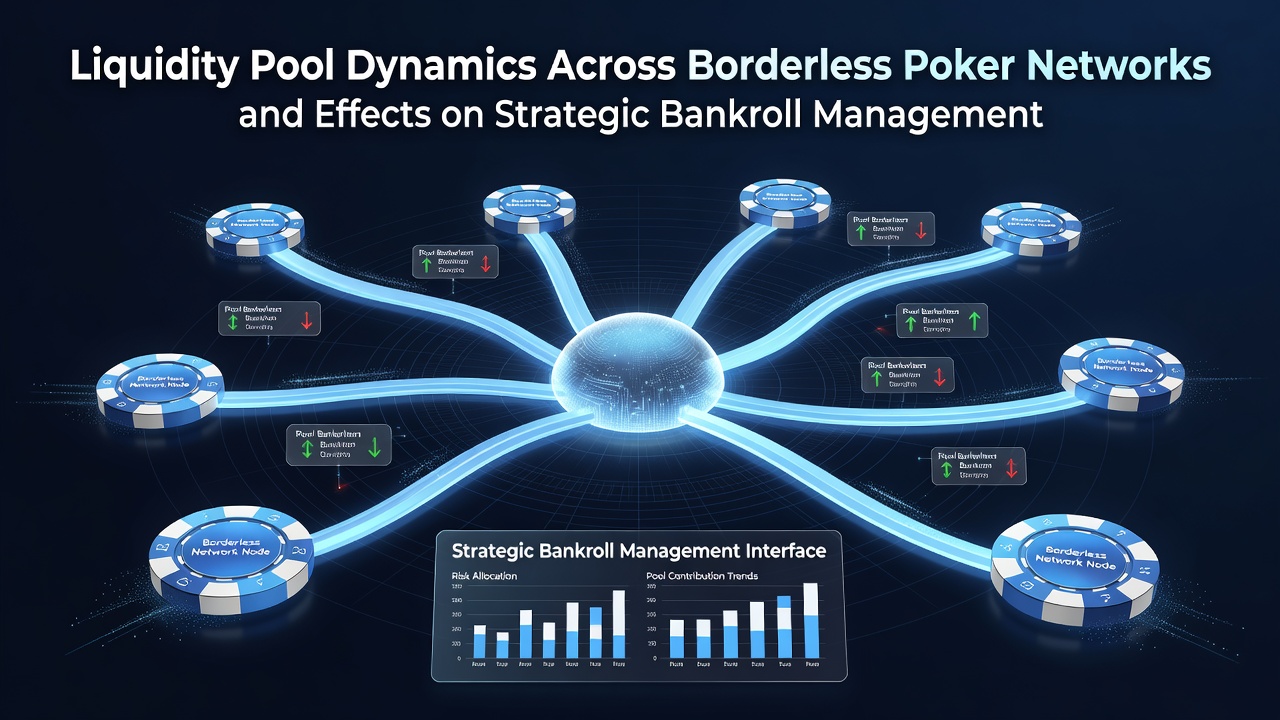
Strategic adjustments include maintaining separate sub-accounts for each licensing region to avoid delays during currency conversions, and this practice becomes essential when networks enforce daily withdrawal caps that differ by jurisdiction. Data indicates that players who fail to segment reserves across borders encounter cash-flow interruptions averaging 48 hours during high-volume periods, which forces premature exits from profitable tables. Those monitoring network health also track metrics such as average table occupancy and queue times for popular stakes, since sudden drops in liquidity often signal scheduled maintenance or regulatory interventions that can last several days.
Bankroll Allocation Across Time Zones and Regulations
Frequent participants develop allocation models that factor in overlapping regulatory reporting windows, and these models incorporate buffers for currency fluctuations that occur during settlement between different national banking systems. Reports compiled by the Australian Communications and Media Authority highlight that networks active in July 2026 processed cross-border transfers with average completion times of 18 hours, though outliers extended to 72 hours when documentation reviews were triggered. Bankroll planners therefore reserve 15 to 20 percent of total funds in readily accessible local accounts to cover immediate rebuys or tournament entries during liquidity spikes.
Observers have documented cases where players reduced their effective stake levels by one tier when entering networks with stricter anti-money-laundering checks, because verification holds temporarily lock portions of balances. This conservative sizing preserves overall capital while still allowing participation in the deeper player pools that borderless systems provide. Additional layers of planning involve monitoring announced policy changes from multiple regulators simultaneously, since a single jurisdiction tightening deposit rules can ripple through the entire shared liquidity environment within days.
Strategic Adjustments for Long-Term Participation
Long-term bankroll strategies incorporate scenario testing against liquidity disruptions such as server migrations or license revocations, and these tests rely on historical data sets rather than single-platform experiences. Industry reports show that networks maintaining redundant server locations across continents recovered full liquidity within four hours following outages in early 2026, whereas isolated platforms required up to 36 hours for comparable restoration. Participants who build contingency plans around these recovery times maintain higher win rates because they avoid forced breaks during advantageous game conditions.
Tracking tools now integrate real-time occupancy data from multiple networks, allowing players to shift stakes dynamically without violating pre-set bankroll percentages. This flexibility becomes particularly relevant during major series that attract recreational traffic from every region, since sudden influxes temporarily alter both game texture and required reserves. Those who maintain detailed logs of session results segmented by network and stake level gain clearer visibility into whether liquidity advantages outweigh the added administrative overhead of managing multiple regulatory environments.
Conclusion
Borderless poker networks continue to reshape liquidity patterns and bankroll requirements as operators expand shared-pool agreements through mid-2026, and frequent participants respond with segmented reserves, dynamic stake adjustments, and time-zone-aware scheduling. Data from multiple regulatory and academic sources confirm that deeper pools reduce certain variance measures while introducing new administrative considerations around settlements and compliance. Strategic bankroll management in this environment centers on maintaining accessible reserves across jurisdictions and monitoring network health indicators that directly influence session profitability and sustainability.