19 Jul 2026
Loyalty Tier Systems Reveal Long-Term Engagement Trends in Virtual Betting Ecosystems
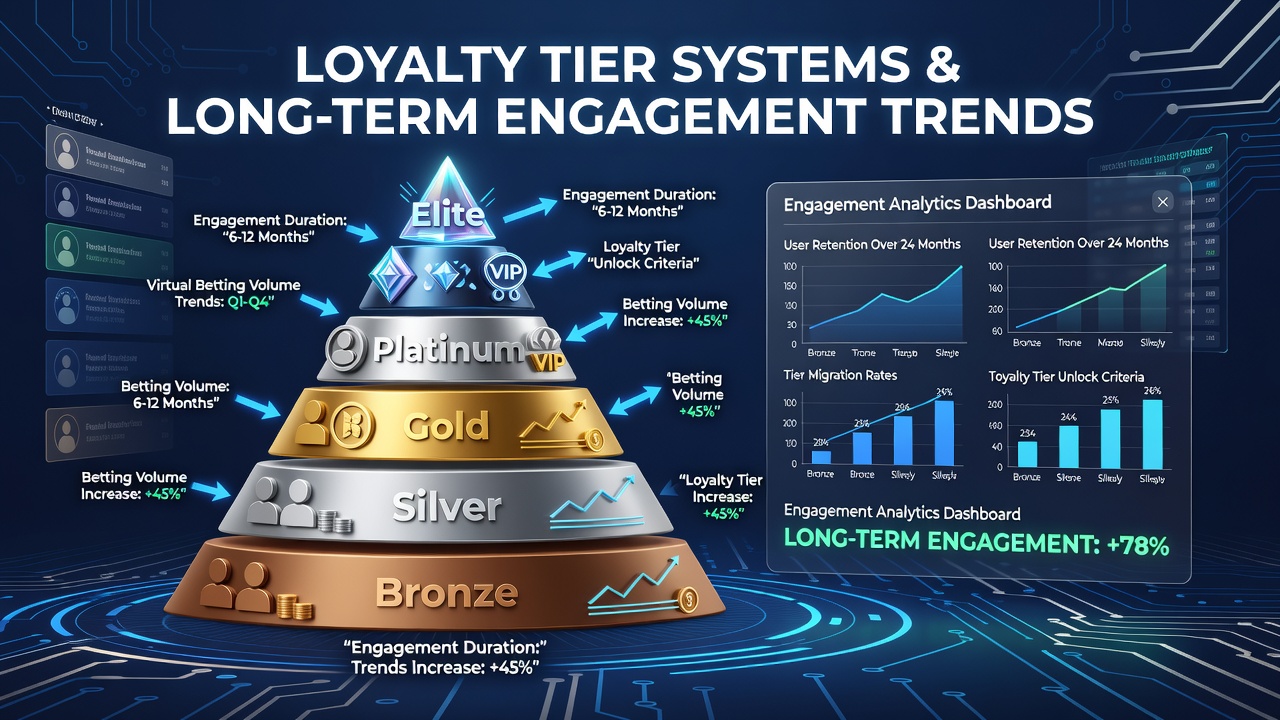
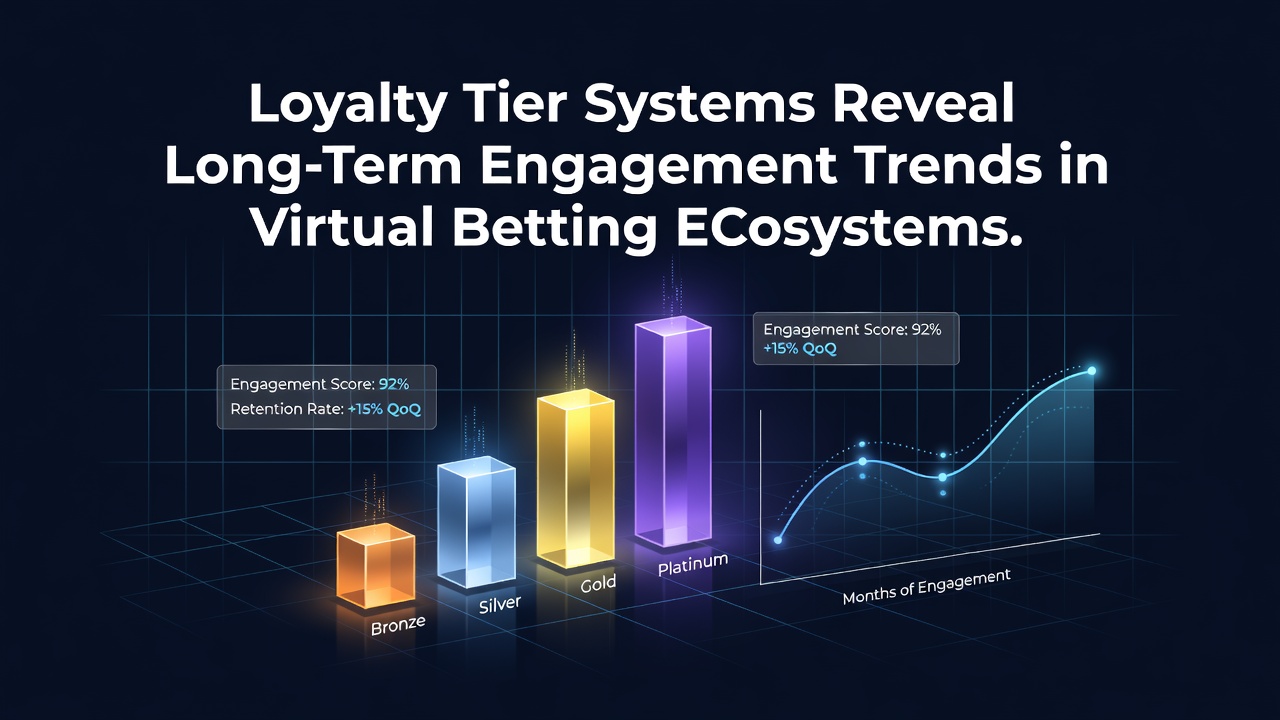 Loyalty tier systems track user activity across virtual betting platforms through accumulated points from wagers, deposits, and session duration, and these structures create visible patterns in how participants maintain involvement over months or years. Platforms assign users to levels such as bronze, silver, gold, and platinum based on rolling 12-month activity thresholds, while higher tiers unlock faster withdrawal processing, exclusive event access, and personalized bonus structures. Data compiled through 2025 and into mid-2026 shows that users who advance beyond entry-level tiers sustain longer average session lengths and return more frequently than those who remain at base levels.
Tier Mechanics and Point Accumulation Models
Most virtual betting ecosystems calculate points using a combination of wager volume, game type multipliers, and time-based bonuses, yet the exact formulas differ by operator. A silver tier might require 5,000 points earned within a calendar year, whereas platinum status often demands 50,000 or more, and these thresholds encourage steady participation rather than isolated large bets. Researchers examining platform logs note that point-earning multipliers for live dealer games and sports markets tend to accelerate progression for users who engage across multiple verticals, creating diversified activity profiles that correlate with extended account lifespans.
Observed Engagement Patterns Through Mid-2026
Figures released by several major operators indicate that platinum-tier users in July 2026 logged 3.2 times more monthly sessions than bronze users on the same platforms, and this gap widens when measuring consecutive active months. One analysis of anonymized account data revealed that 68 percent of users reaching gold status within their first nine months maintained activity through the following year, whereas only 29 percent of bronze users showed similar continuity. These retention differentials appear across desktop and mobile interfaces alike, suggesting the tier structure itself influences behavior independent of device preference.
Regional Variations in Tier Adoption
Platforms operating under New Jersey Division of Gaming Enforcement oversight report faster tier advancement rates among users who combine sports wagering with casino games, while Canadian provincial operators observe stronger retention when tiers include physical merchandise rewards alongside digital perks. Australian market data compiled through regulatory filings shows similar tier-based engagement curves, although point expiration policies in that jurisdiction appear to compress the timeline users spend at each level before either advancing or reducing activity. Such differences highlight how local rules shape the same underlying loyalty mechanics into distinct long-term patterns.
Correlation With Platform-Wide Metrics
Industry reports from the American Gaming Association link higher-tier populations to improved lifetime value calculations, and platforms that publish quarterly updates consistently note that gold and platinum users generate disproportionate shares of total handle even though they represent smaller percentages of the overall user base. A university-led examination of European virtual betting datasets found that users who reach mid-tier status within six months demonstrate reduced churn rates during seasonal lulls, particularly around major tournament off-periods. These findings align with internal platform metrics that track both frequency and depth of engagement rather than isolated spending spikes.
Future Tracking Developments
Operators continue refining tier algorithms to incorporate additional signals such as responsible gaming tool usage and cross-product navigation, and early tests suggest these expanded models may further clarify which engagement pathways produce the most durable user relationships. As virtual betting ecosystems mature through 2026, the visibility of tier-driven trends offers operators concrete indicators for adjusting reward structures without relying solely on short-term acquisition metrics.