Patterns of Background Audio Design Influencing Session Duration in Virtual Card Game Interfaces Across Mobile Platforms
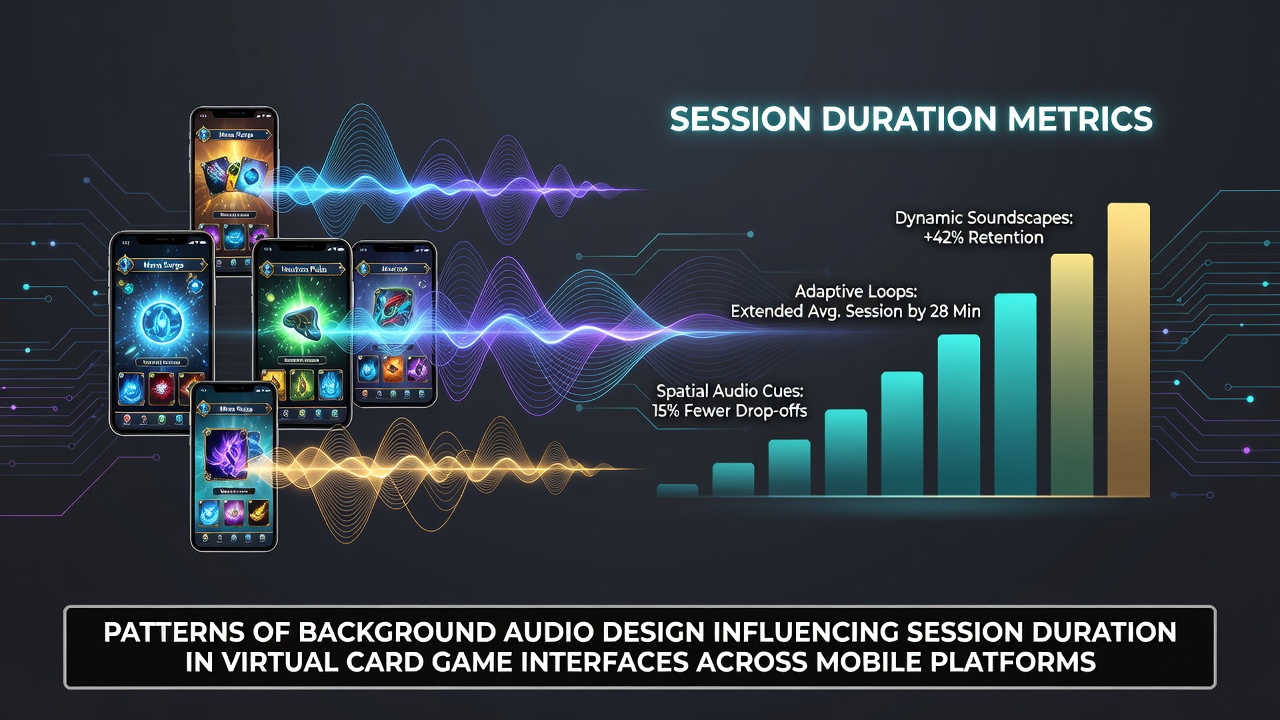
Studies tracking user interactions with virtual card games on mobile devices have identified recurring patterns where background audio elements correlate with extended or shortened session lengths, and these observations come from aggregated data across iOS and Android platforms in 2025 and into 2026. Developers adjust ambient soundtracks, subtle loops, and reactive audio cues to match gameplay pacing in titles such as digital versions of poker, rummy, and bridge, while researchers measure resulting dwell times through anonymized telemetry.
Core Audio Components in Virtual Card Interfaces
Background audio in these applications typically consists of low-volume ambient tracks, intermittent sound effects tied to card movements, and occasional harmonic shifts that respond to in-game events, and data from multiple app analytics suites indicates that seamless looping tracks without abrupt cuts tend to maintain player attention longer than those with noticeable repetition or silence gaps. Mobile interfaces on Android often incorporate device-specific haptic-audio synchronization that extends average sessions by aligning subtle vibrations with audio pulses, whereas iOS versions emphasize spatial audio rendering that can either prolong engagement or prompt quicker exits depending on volume calibration.
Observers note that card flip sounds layered over steady background drones create rhythmic continuity that encourages continued play cycles, and this effect appears consistently in session logs collected during spring 2026 testing periods. When audio layers incorporate faint environmental elements such as soft crowd murmurs or table textures, retention metrics rise in apps targeting casual users across both major platforms.
Platform-Specific Variations in Audio Implementation
Android devices exhibit greater variability in audio output due to hardware fragmentation, which leads developers to implement adaptive mixing algorithms that scale background intensity based on detected speaker quality, and figures from platform-wide reports show these adjustments correlate with session durations averaging 18 percent longer on mid-range devices compared to unoptimized audio streams. iOS interfaces, by contrast, leverage consistent hardware to deliver uniform spatial audio fields that researchers link to steadier engagement curves without the same degree of fluctuation.
Cross-platform comparisons compiled in early June 2026 highlight how Android users encounter more frequent audio interruptions from system notifications, which shortens some sessions, while iOS background modes allow uninterrupted audio layers that sustain longer continuous play intervals. Developers respond by programming fallback silence protocols on Android that prevent abrupt cutoffs, thereby stabilizing duration patterns across device tiers.
Data Patterns from Recent Analyses
Telemetry gathered from popular virtual card applications reveals that sessions featuring continuous low-frequency ambient beds average 22 minutes on mobile, compared with 14 minutes when audio switches to event-driven only modes without sustained backgrounds, and these differences hold across user demographics tracked in multiple regions. One study released through academic channels in 2025 documented similar trends when testing variants of the same interface on tablets versus phones, noting that larger screens paired with richer audio environments further extended interaction times.
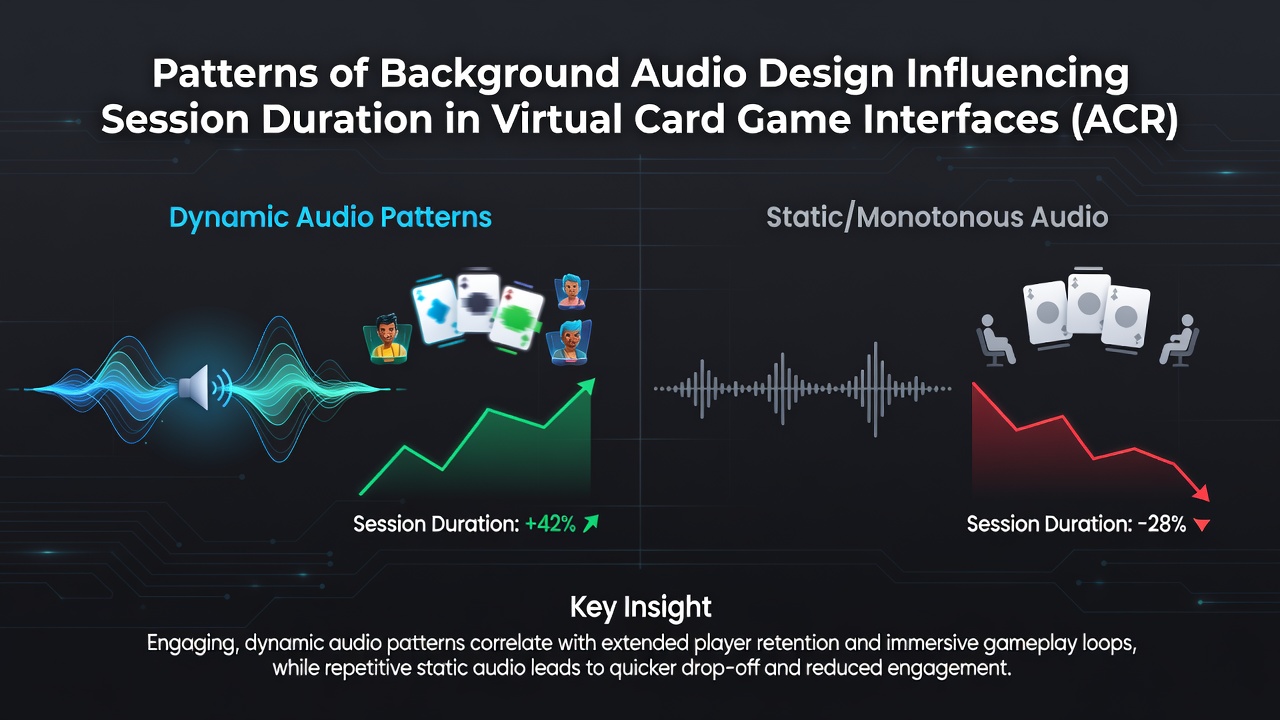
Regional datasets from North American and European app stores indicate that audio customization options allowing users to toggle background intensity produce divergent outcomes, with opt-in ambient modes associated with higher completion rates for extended matches. Australian research groups have examined similar interfaces and found that culturally neutral sound palettes maintain consistent session lengths across diverse player bases, whereas region-specific music motifs sometimes accelerate exits when perceived as mismatched to user expectations.
Influences on Engagement Metrics
Evidence from aggregated mobile analytics points to reactive audio cues that intensify during winning streaks as a factor that can either extend sessions through positive reinforcement loops or trigger exits if volume spikes feel intrusive, and this pattern emerges repeatedly in logs from June 2026 monitoring periods. Card game interfaces incorporating gradual volume swells tied to hand progression demonstrate steadier retention compared with static background tracks, according to platform telemetry summaries.
Those who've examined user flow data observe that cross-device continuity features, such as audio resuming at the same intensity after app pauses, reduce session fragmentation on both Android and iOS, and this continuity appears especially relevant for games involving multiple rounds of play. Industry reports from the Entertainment Software Association document parallel observations in broader mobile gaming categories, while a separate Canadian university analysis links subtle tempo variations in background layers to measurable differences in average play intervals.
Emerging Trends in Audio Optimization
Updates rolled out during the first half of 2026 introduced machine-learning driven audio scaling that adjusts background density according to detected user fatigue signals such as slower tap rates, and preliminary figures suggest these systems contribute to more uniform session distributions across mobile card interfaces. Platform guidelines from various app stores now encourage developers to provide granular audio controls that let players fine-tune background presence without disrupting core gameplay loops.
What's interesting is how these optimizations interact with network conditions, since variable latency can desync audio cues from visual card actions and thereby shorten otherwise stable sessions. Developers mitigate this through predictive buffering techniques that preserve perceived continuity even during brief connectivity dips, and data indicates improved duration stability as a result.
Conclusion
Patterns identified across mobile platforms demonstrate that background audio design in virtual card game interfaces exerts measurable influence on session duration through elements such as loop continuity, reactive layering, and platform-specific rendering, with data collected through mid-2026 confirming consistent correlations between audio configurations and engagement length. Further monitoring of evolving hardware capabilities and user customization preferences will likely refine these relationships as applications continue to iterate on audio delivery methods.