24 May 2026
Regional Regulatory Frameworks Shape Cross-Border Digital Wagering Patterns
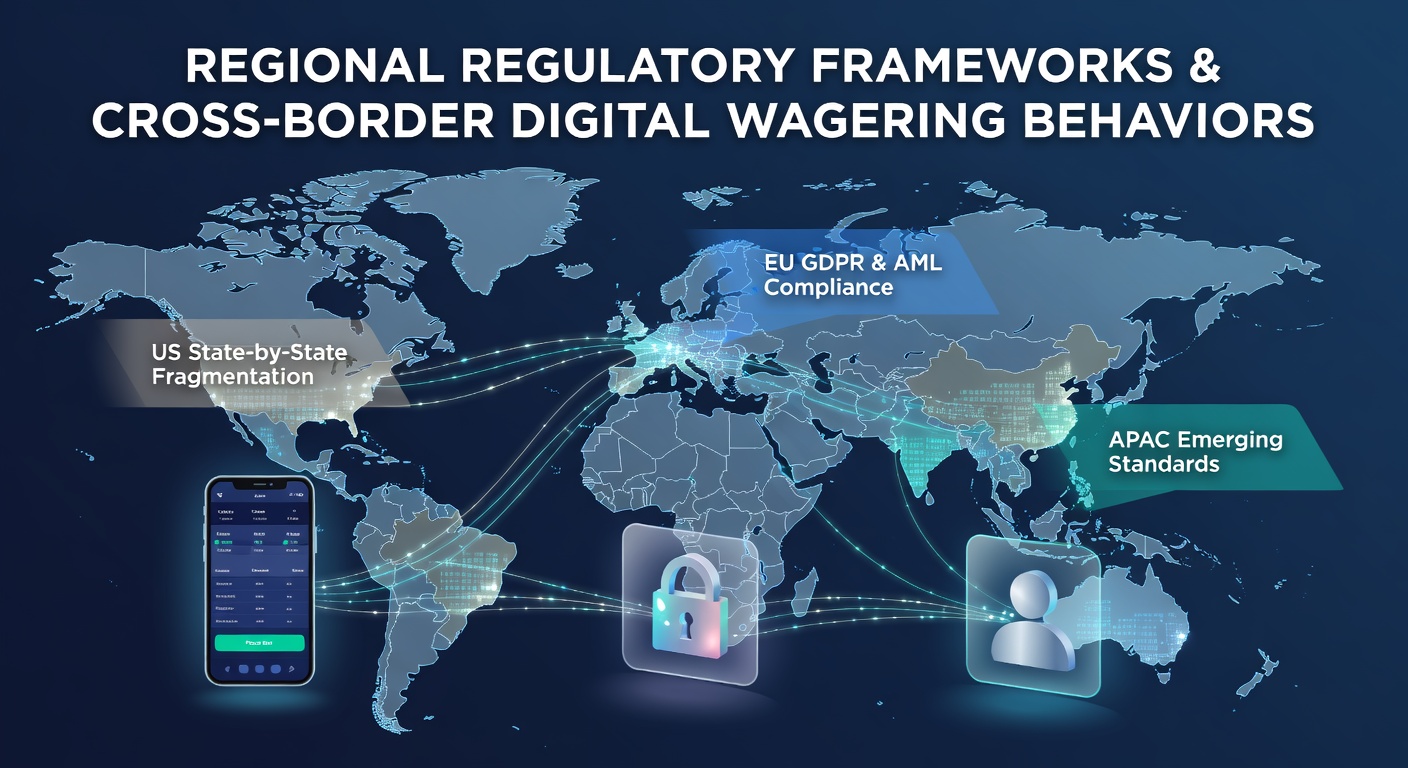
Regulatory differences across jurisdictions create distinct pathways for digital wagering participants who seek access beyond their home borders, and these variations influence everything from platform selection to payment methods while compliance requirements shift frequently as new rules take effect. As of May 2026 several frameworks continue to evolve with updates in licensing, data sharing, and consumer verification standards that directly affect how users navigate international options.
European Union Licensing Models and Market Access
Member states maintain individual licensing regimes even after years of attempts at greater alignment, which means operators must secure separate approvals for each territory while users encounter geo-restrictions that prompt some to explore offshore alternatives. Research from the European Gaming and Betting Association shows that fragmented rules have led to increased use of virtual private networks among participants who prefer sites licensed elsewhere, and payment processors adapt by routing transactions through jurisdictions with clearer guidelines.
Observers note that countries like Malta and Gibraltar serve as hubs for many operators because their frameworks allow multi-territory activity, whereas stricter enforcement in places such as Germany and the Netherlands limits local access and pushes activity toward platforms that accept cross-border traffic. Data indicates that verification processes now include more automated checks tied to national databases, which slows onboarding for users attempting to register from outside approved regions.
North American State and Provincial Variations
Individual states in the United States and provinces in Canada set their own standards for digital wagering, resulting in a patchwork where some areas permit full online sportsbooks and casinos while neighboring regions maintain prohibitions or limited offerings. This setup encourages users near borders to monitor regulatory changes and switch platforms when new licenses activate, and industry reports track rising interest in multi-state operators that hold approvals across several jurisdictions simultaneously.
Canadian provinces have introduced frameworks that differ in tax rates and responsible gambling mandates, which affects how operators price promotions and how participants manage accounts across provincial lines. Figures from regulatory filings reveal that cross-border traffic spikes whenever one jurisdiction tightens rules while another maintains broader access, prompting service providers to adjust server locations and marketing strategies accordingly.
Asia-Pacific Regulatory Contrasts
Australia and parts of Southeast Asia demonstrate sharp differences in approach, with some markets allowing licensed local platforms and others enforcing outright bans that drive activity offshore. Australian Communications and Media Authority data highlights how enforcement actions against unlicensed sites have prompted operators to implement stricter geolocation tools, while users respond by seeking platforms hosted in jurisdictions with lighter oversight.
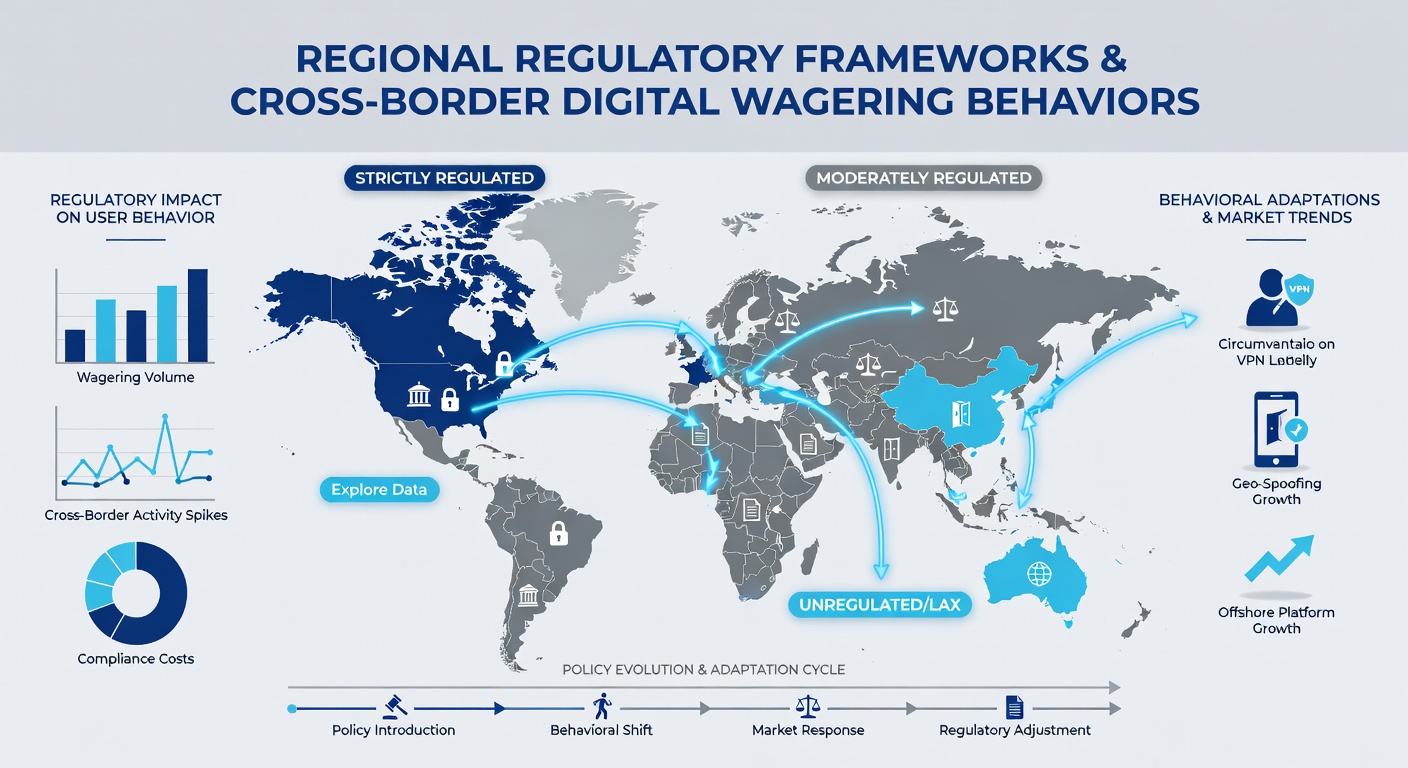
Countries such as Singapore maintain tight controls with heavy penalties for unauthorized participation, yet reports show sustained demand for international sites that accept regional currencies and offer localized interfaces. Those who study these patterns point out that cryptocurrency options gain traction in areas where traditional banking channels face restrictions, because digital assets bypass some intermediary blocks tied to national regulations.
Behavioral Shifts Driven by Compliance Requirements
Participants adjust their habits based on verification demands, tax implications, and available dispute resolution mechanisms, which vary widely and influence platform loyalty over time. Studies from academic research groups indicate that users often maintain multiple accounts across different regulatory zones to maximize access while minimizing exposure to sudden policy changes, and transaction volumes through alternative payment rails increase when direct banking links face blocks.
Enforcement actions in one region frequently ripple outward as operators reassess their global footprints and users seek more stable environments, creating measurable migration patterns tracked through traffic analytics. Payment processors and software providers respond by building modular compliance layers that allow quick adaptation when frameworks update, which helps sustain service continuity across borders even as local rules tighten.
Conclusion
Regional regulatory frameworks continue to determine the shape of cross-border digital wagering by setting the boundaries operators must respect and the options available to participants. As jurisdictions refine their approaches through May 2026 and beyond, patterns of access, payment routing, and platform selection reflect these ongoing differences, with data from multiple sources showing consistent adaptation on both sides of each regulatory line.