30 Jun 2026
Social Sharing Triggers Reshaping Bonus Claim Rates in Digital Sportsbook Interfaces
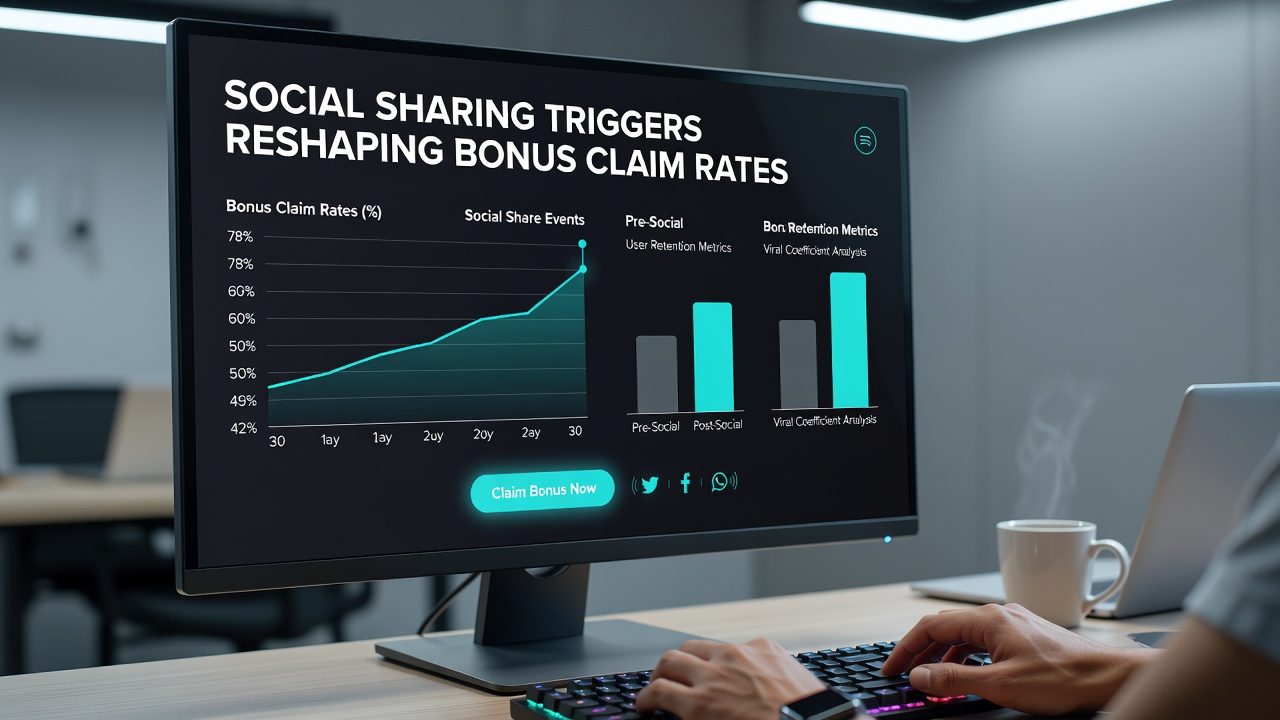
Digital sportsbooks have integrated social sharing features that prompt users to post bets or claim bonuses on platforms like X and Instagram, and these mechanics have produced measurable shifts in bonus claim patterns since early 2025. Operators embed triggers such as one-click referral links and achievement badges that unlock extra funds once shared, and data from multiple platforms shows claim rates rising when users complete these steps. Research from industry analysts indicates that social prompts increase engagement because they combine immediate rewards with public validation, while users who share receive tiered bonuses that stack with standard welcome offers.
Platforms track these interactions through embedded APIs that record shares and convert them into claim eligibility, and figures from North American operators reveal that bonus redemptions tied to social actions climbed by double-digit percentages in the first half of 2026. Users receive notifications after placing a wager that encourage posting results, and completing the share unlocks a percentage boost to existing promotions. This system operates across major apps, where the trigger appears as a pop-up or persistent button that links directly to the user's preferred network.
Mechanics of Social Triggers in Current Interfaces
Modern sportsbook apps place share buttons directly on bet confirmation screens and account dashboards, and these elements activate when users meet minimum stake thresholds or hit win milestones. The design routes the action through secure OAuth connections that verify the post without requiring manual copy-paste, and successful shares feed back into the bonus ledger within seconds. Observers note that this seamless flow reduces friction compared with earlier manual referral codes, and operators report higher completion rates as a result.
Bonus structures linked to these triggers often include progressive multipliers that grow with each verified share, and data compiled through June 2026 shows average claim values increasing when users chain multiple posts over a week. Canadian provincial regulators have documented similar patterns in licensed markets, where operators must disclose how social actions influence payout eligibility. The integration also ties into loyalty programs, so shared bets contribute points that convert into additional claims without separate deposits.
Data Patterns Across Platforms
Analytics from aggregated operator reports demonstrate that social sharing correlates with a 15 to 25 percent lift in bonus claims during peak sports seasons, and these numbers hold across both mobile and desktop versions. European studies conducted by independent research groups found comparable effects in markets where operators introduced share-to-claim mechanics in late 2025. Users who engage with the feature tend to return to the app more frequently, and session logs indicate extended time spent reviewing new promotions that appear after sharing.
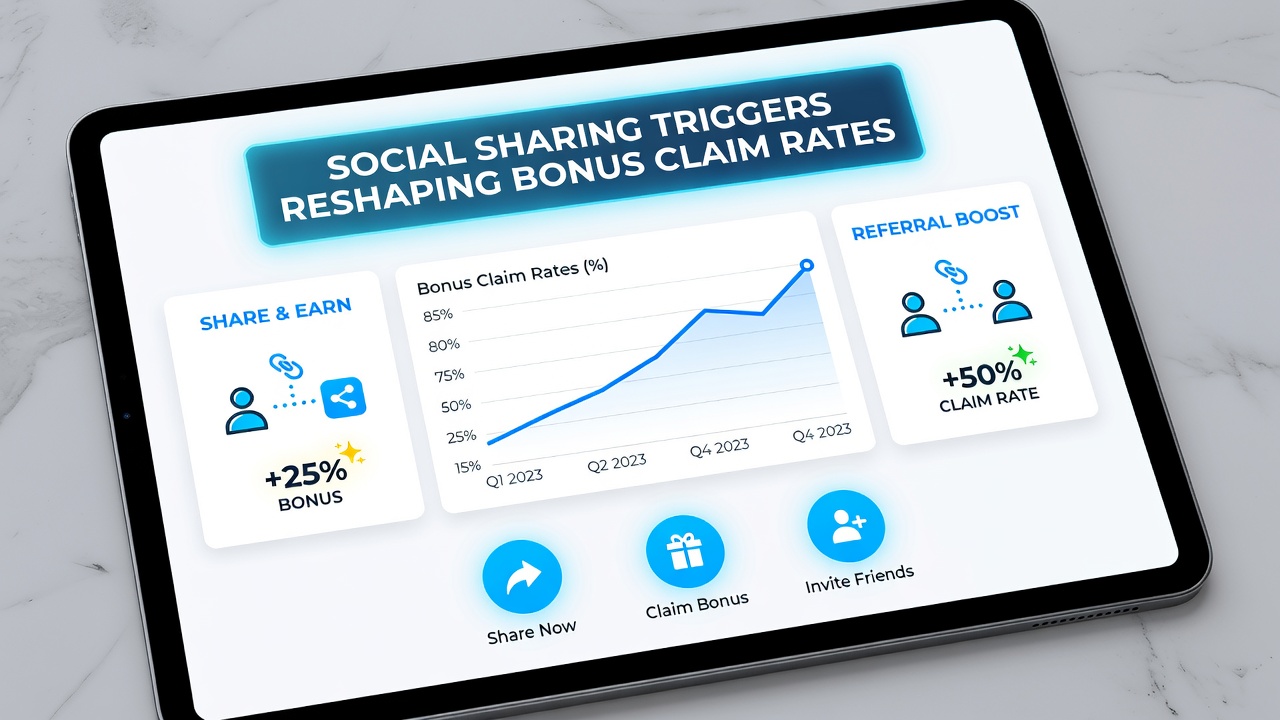
What's notable is how geographic timing influences these rates, because events spanning multiple time zones generate more shares during evening hours in the originating region. Australian regulatory filings from the past year list elevated claim activity when operators aligned social prompts with major international fixtures, and similar trends appear in U.S. state-level data. The pattern holds because shared content reaches audiences in different zones who then open the app to replicate the bonus path.
Regulatory Context and Platform Adjustments
State gaming authorities in the U.S. and provincial bodies in Canada have begun requiring operators to log social-triggered claims separately, and this reporting became standard practice by spring 2026. The requirement stems from broader efforts to monitor how promotional mechanics affect player behavior, while operators adjust interface designs to remain compliant. One study released through an academic partnership with a European university examined share frequency and found no direct correlation with problem gambling indicators when limits on daily shares remain in place.
Operators respond by adding optional toggles that let users disable social prompts without losing access to base bonuses, and adoption of these controls sits around 30 percent according to internal metrics shared with trade associations. The adjustments maintain the core trigger system while giving users control over visibility, and this balance appears in updated terms published across multiple jurisdictions.
Conclusion
Social sharing triggers continue to influence bonus claim rates in digital sportsbook interfaces through verified mechanics and tracked outcomes, and the patterns observed through June 2026 reflect ongoing refinements in both design and oversight. Platforms maintain these features because they drive measurable activity, while regulators track their effects through standardized reporting. The result is an evolving interface layer that connects user actions across social networks with direct rewards inside betting apps.